
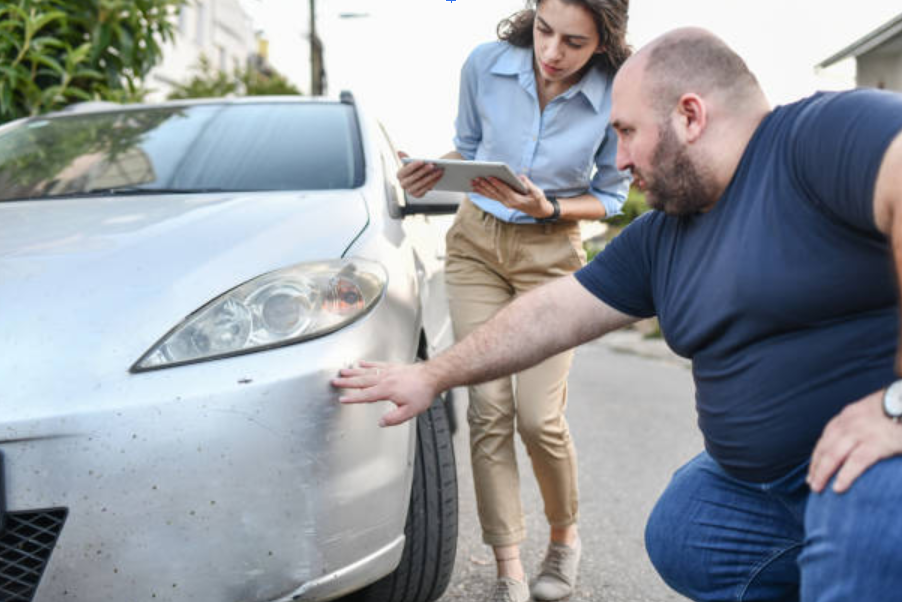
How a Hit and Run Attorney Can Help When the At-Fault Driver Flees the Scene

Few things are as jarring or infuriating as a hit and run. One moment, you are navigating traffic; the next, you are left in a cloud of dust and debris while the responsible driver speeds away. This act of cowardice leaves victims with more than just physical pain and vehicle damage; it leaves them with a sense of violation and the daunting question of who will pay for the wreckage.
In Colorado, hit and run accidents are not just civil matters; they are criminal offenses. However, while the police focus on the crime, a hit and run attorney focuses on the victim. These specialized legal professionals navigate the unique challenges of “phantom driver” cases, ensuring that even if a driver escapes the scene, the victim doesn’t have to escape justice.
The Unique Challenges of Hit and Run Cases
A standard car accident involves an exchange of insurance cards and contact details. A hit and run, however, presents a “black hole” of information. Without a defendant, victims face immediate hurdles:
- No Obvious Source of Compensation: Without the other driver’s insurance, how do you pay for a $50,000 hospital stay?
- Difficulty Proving Liability: How do you prove the other driver was speeding or ran a red light when they aren’t there to be questioned?
- Legal Deadlines: Insurance policies often have strict “prompt reporting” requirements for hit and run scenarios that can bar your claim if missed by even 24 hours.
Legal Requirements Under Colorado Law
Colorado law is clear: drivers must stop, provide identification, and render aid to anyone injured. Fleeing is a serious charge that can range from a misdemeanor to a felony. While the state handles the criminal prosecution, your attorney uses the evidence from that investigation to bolster your civil claim for damages.
How a Hit and Run Attorney Investigates the Case
When a driver flees, the clock starts ticking. Evidence at a crash scene is fragile; skid marks fade, and witnesses’ memories blur. At Lampert & Walsh, we do not just wait for the police to do their job. We launch an independent investigation to find the responsible party.
1. Canvassing for Surveillance Footage
We live in an era of constant observation. Your attorney will immediately move to secure:
- Government Traffic Cameras: High-definition feeds from intersections.
- Private Security Footage: Cameras from nearby gas stations, banks, or shopping centers.
- Residential Doorbell Cameras: Footage from Nest or Ring systems in nearby neighborhoods.
- Dashcam Evidence: Reaching out to other motorists who may have captured the fleeing vehicle’s license plate.
2. Forensic Analysis of the Scene
Even without the other car, the scene tells a story. We look for paint transfer on your vehicle to identify the color and make of the striker car. We analyze glass and plastic debris, which often contain serial numbers or parts unique to a specific vehicle model.
3. Database Searches
Attorneys utilize specialized databases that track license plate readers and vehicle repair shop inquiries. If a driver flees a scene with a smashed front end, they will eventually need to fix it. We can alert local body shops to look for vehicles matching the description of the one that fled.
Understanding Your Insurance Options
The biggest misconception about hit and runs is that you cannot recover money if the driver is never found. This is where Uninsured Motorist (UM) coverage becomes your most vital asset.
Uninsured Motorist (UM) Coverage
In Colorado, UM coverage is designed specifically for this scenario. If the at-fault driver is “unknown,” your own insurance company “steps into the shoes” of the fleeing driver. They essentially become the defendant, paying for your:
- Past and future medical expenses.
- Lost wages and loss of future earning capacity.
- Pain, suffering, and emotional distress.
Medical Payments (MedPay)
Most Colorado policies include at least $5,000 in MedPay. This is “no-fault” coverage that provides immediate funds for your ER visit or initial doctor appointments while your larger claim is being processed.
Fighting Your Own Insurance Company
Ironically, the most difficult part of a hit and run case is often dealing with your own insurance provider. When you file a UM claim, your relationship with your insurer changes from “customer” to “adversary.”
Insurers often use the following tactics to avoid paying hit and run claims:
- Fraud Accusations: Claiming you fabricated the “phantom vehicle” to cover up a single-car accident you caused.
- Disputing “Physical Contact”: Some policies require proof of physical contact between the vehicles to trigger UM coverage.
- Lowballing Damages: Arguing that your injuries were pre-existing or that your medical treatment was “excessive.”
A hit and run attorney understands these maneuvers. By presenting witness statements and forensic evidence, your lawyer forces the insurance company to honor the policy you’ve been paying premiums for.
See also: How Technology Supports Lifelong Learning
What to Do Immediately Following a Hit and Run
Your actions in the minutes following the crash can make or break your ability to recover compensation.
- Call 911: A formal police report is a non-negotiable requirement for almost all insurance claims involving an unknown driver.
- Document the “Direction of Flight”: Even if you didn’t get a plate number, knowing the make, color, and which way the car turned is vital for investigators.
- Identify Witnesses: Look for bystanders who may have seen more than you did. Get their names and phone numbers immediately.
- Take Photos: Capture the debris, the position of your car, and any paint transfer from the other vehicle.
- Seek Medical Care: Adrenaline often masks serious internal injuries or concussions. Documentation of your injuries starting on the day of the crash is essential evidence.
Conclusion: Turning the Tide on a Fleeing Driver
Being the victim of a hit and run is a deeply isolating experience. It feels as though the law has failed you because the perpetrator didn’t play by the rules. However, the legal system provides a safety net specifically for these moments. A qualified hit and run attorney serves as your investigator, your advocate, and your voice against insurance companies that would rather protect their bottom line than their policyholders.
Whether your attorney eventually identifies the fleeing driver and holds them personally accountable, or successfully navigates a UM claim through your own insurance, the goal remains the same: ensuring you aren’t left holding the bill for someone else’s negligence. Don’t let a coward’s decision to flee dictate your financial future. With the right legal team, you can secure the compensation needed to rebuild your life and move forward with peace of mind.