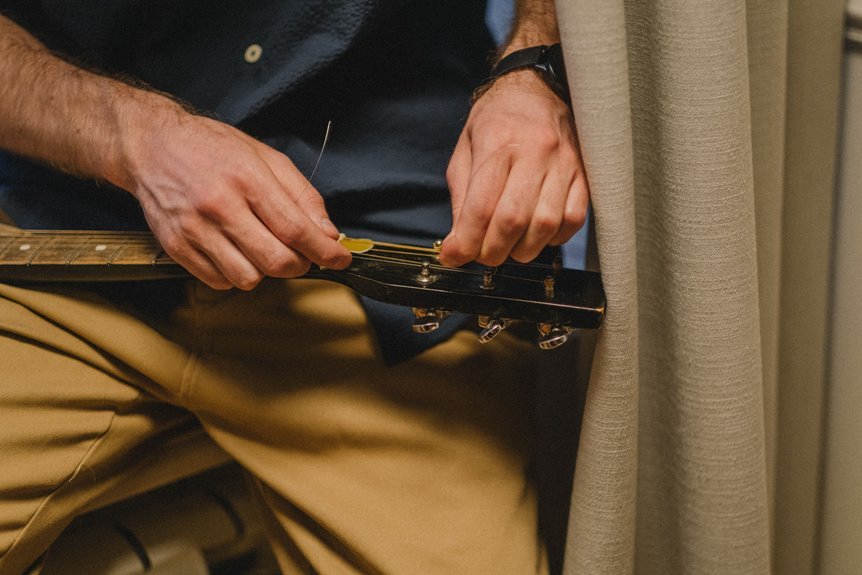
How Much Does It Cost to Get Guitar Restrung

Restringing a guitar involves more than choosing strings. Costs hinge on string type, gauge, and the shop’s labor rate. Materials differ in price and time: nylon, phosphor bronze, and steel each affect setup and tuning stability. Optional services—setup, intonation, and neck adjustments—can raise the bill. The final figure balances upfront string cost with long-term durability and maintenance needs, inviting considerations that extend beyond the surface price.
What You’re Really Paying For When Strings Are Replaced
The cost of stringing a guitar comprises more than the price of the strings themselves. Re-stringing involves labor, setup, and potential adjustments to intonation, neck relief, and truss rod tension. What to avoid are unnecessary services, while Hidden fees should be disclosed upfront. Precision-oriented technicians explain maintenance implications, ensuring customers understand time, skill, and component considerations before proceeding with replacement.
Cost Breakdowns by String Type and Gauge
String type and gauge directly affect both material cost and service time in the re-stringing process. Cost breakdowns vary by core material, winding, and alloy, influencing tension, longevity, and tuning stability.
For guitar maintenance, steel, phosphor bronze, and nylon strings present distinct price ranges and wear patterns. Overall, string economy balances tone preference with durability and installation efficiency.
Optional Services That Change the Price (Setup, Intonation, and More)
Optional services beyond basic restringing can alter total cost by addressing setup, intonation, and playability nuances.
The discussion focuses on setup options that prepare steadiness of action and neck relief, plus precise intonation adjustments for accurate pitch across the fretboard.
Labor time, instrument condition, and hardware compatibility influence pricing, with transparent quotes guiding informed decisions for players seeking freedom in tone.
How to Budget and Get the Best Value for Your Guitar
Budgeting for guitar maintenance and upgrades centers on balancing immediate costs with long-term value. The guidance emphasizes disciplined selection over impulse purchases, focusing on durable components and service longevity. A methodical approach compares budgeting guitar options, clarifying tradeoffs between upfront investment and downstream savings. Prioritize value strings and reliable suppliers, ensuring maintenance routines support predictable performance while preserving instrument resale or reuse potential.
Frequently Asked Questions
Do Windings Matter for Tone After Restringing?
Winding tone influences perceived brightness and sustain; after restringing, coil variants and winding counts affect output. Winding tone interacts with core material and magnet design, shaping feel. Restring quality impacts tension uniformity, intonation, and overall tonal consistency.
How Long Does a Typical Restring Take?
A typical restringing takes about 20 to 40 minutes, depending on skill and guitar type, and is often quicker after practice; two word discussion ideas emphasize efficiency and technique, reflecting guitar maintenance as a practical, freedom-oriented approach.
Can Restringing Affect Neck Relief or Action?
Restringing can affect neck relief and action if tension changes are uneven or excessive; careful setup preserves geometry. It informs restringing ergonomics and debunks guitar maintenance myths, emphasizing precise tensioning, truss rod checks, and balanced string gauges for freedom.
Do Locking Tuners Impact Restringing Cost?
Locking tuners can raise restring efficiency by reducing wrap friction and slippage; they may marginally affect setup time and cost. In precise terms, prices vary by instrument; expectations should consider tuner quality, install labor, and neck stability implications.
What’s the Best String Brand for Beginners?
Beginner strings suitable for newcomers include light gauge phosphor bronze or nylon, chosen for ease of press and tone. Budget options exist; researchers recommend brands offering consistent winding, low fret wear, and reliable intonation for long-term practice.
Conclusion
restringing a guitar varies by string type, gauge, and whether any setup work is included. Core costs cover strings, labor, and potential adjustments; optional services like setup and intonation can significantly affect the total. An interesting stat to note: typical professional restringing time ranges from 15 to 40 minutes depending on string type and neck condition, influencing labor cost. For value, prioritize durable strings and transparent quotes, balancing upfront price with long-term maintenance efficiency and playability.